
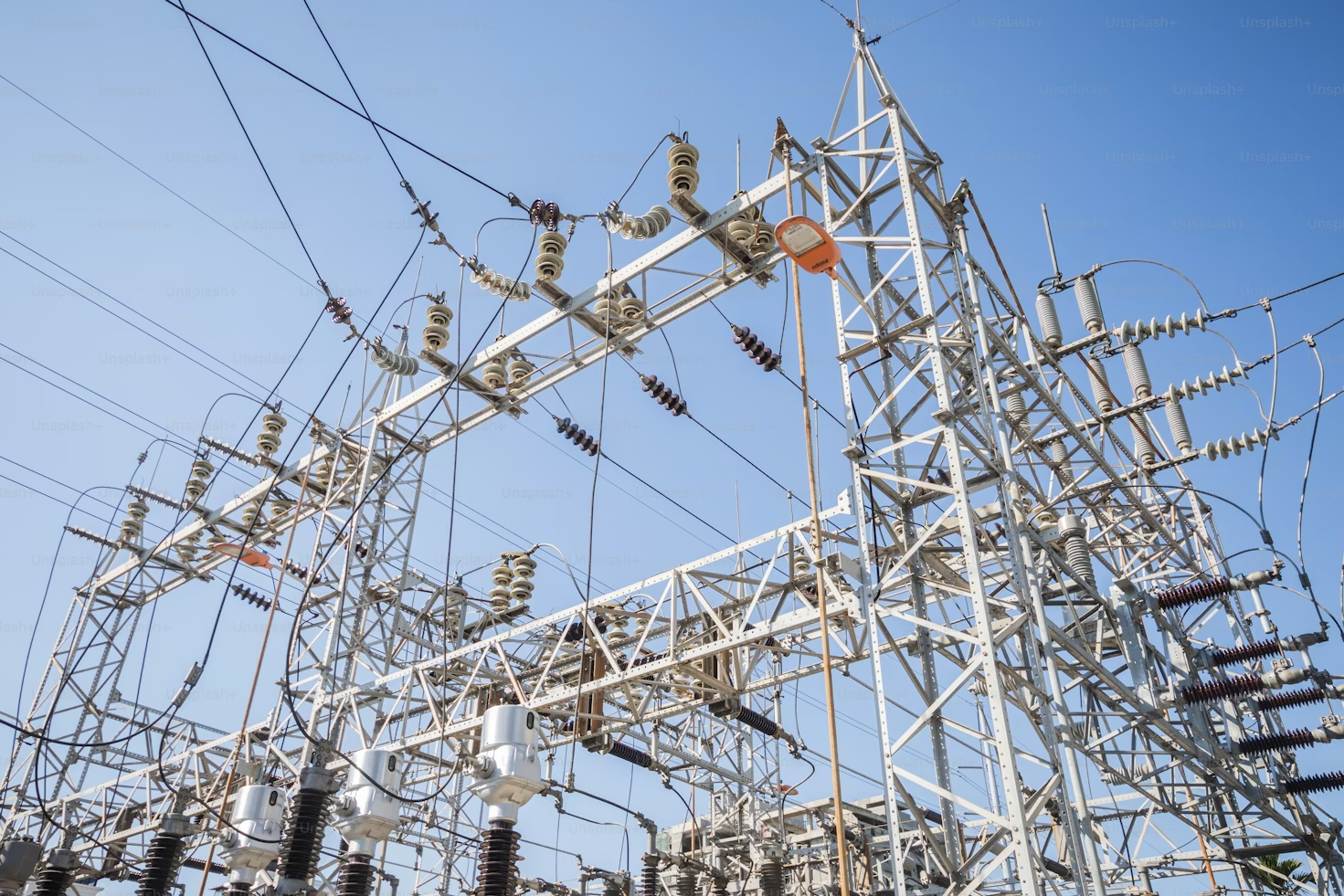
How Reliable Transmission and Substation Projects Drive National Growth

In today’s rapidly developing world, a stable and reliable power system is the backbone of economic growth. From residential communities and commercial centers to industrial plants and renewable energy facilities, electricity enables productivity, innovation, and everyday convenience. Behind this reliability are companies committed to building strong electrical infrastructure—designing, constructing, testing, and maintaining systems that keep power flowing safely and efficiently. Hyojeong Power3 Construction Co…
Transmission lines, distribution networks, and substations are more than just physical structures; they are critical components of a nation’s energy ecosystem. These systems ensure that electricity generated from power plants travels long distances and reaches consumers without interruption. However, building and maintaining such infrastructure requires technical expertise, precision engineering, and strict adherence to safety and quality standards.
One of the most important aspects of transmission and substation work is engineering excellence. High-voltage systems, such as 69kV, 230kV, and even 500kV transmission lines, demand specialized design and construction techniques. Projects like tower erection, conductor stringing, foundation works, and full sagging and clipping require careful planning and execution. Even a small error can affect system performance or lead to costly outages. That is why experienced teams, advanced tools, and detailed project management are essential to ensure every component performs as intended.
Equally critical is testing and commissioning. Before a system becomes operational, electrical equipment must undergo rigorous testing to verify reliability and safety. This includes insulation resistance testing, transformer analysis, CT/PT testing, infrared thermal scanning, and ground resistance measurement. These procedures help detect potential faults early, prevent failures, and extend the lifespan of valuable equipment. Preventive testing not only protects infrastructure but also reduces long-term operational costs.
Modern power projects also require retrofitting and maintenance of existing facilities. As demand increases and technology evolves, older equipment may need upgrades to handle higher loads or improve efficiency. Services such as circuit breaker replacement, transformer repair, and system modernization help utilities maintain performance without building entirely new facilities. This approach saves resources while ensuring that infrastructure remains aligned with current standards.
Another major trend shaping the power industry is the growth of renewable energy, particularly solar power. Integrating renewable sources into the grid requires specialized electrical works, including PV solar system installation, underground cabling, and substation modifications. Turnkey solar solutions allow businesses and communities to transition toward cleaner energy while maintaining system stability and reliability.
Beyond technical capabilities, successful power projects rely on collaboration and strong partnerships. Coordination between engineers, contractors, suppliers, and utility providers ensures that projects are completed on time and within budget. Reliable partners for materials such as steel towers, conductors, and electrical equipment also play a crucial role in maintaining quality standards throughout the project lifecycle. Hyojeong Power3 Construction Co…
Safety is another cornerstone of transmission and substation work. High-voltage environments pose significant risks, making strict safety protocols and trained personnel essential. From proper grounding and insulation practices to specialized protective equipment and continuous training, safety culture protects both workers and the communities served by the infrastructure.
The impact of reliable power infrastructure goes far beyond engineering. Strong electrical systems support economic development, enable new industries, improve public services, and enhance quality of life. Hospitals operate without interruption, businesses run efficiently, and homes enjoy consistent access to electricity—all because of the unseen work behind transmission lines and substations.
As energy demand continues to grow and the transition toward renewable power accelerates, the need for skilled electrical infrastructure providers will only increase. Companies that combine integrity, innovation, and collaboration are helping build a more resilient and sustainable energy future.
Investing in high-quality transmission and substation projects today ensures reliable power for generations to come—powering communities, industries, and progress across the nation.