
A Complete Approach to Modern Electrical Infrastructure

The growing demand for electricity has transformed the way power systems are designed, built, and maintained. Today’s electrical infrastructure must be reliable, efficient, and adaptable to future expansion. To meet these expectations, companies must offer more than construction alone—they must provide a complete, end-to-end solution that covers every stage of a project, from planning to long-term maintenance. Hyojeong Power3 Construction Co…
A comprehensive approach begins with design and consultancy. Every successful project starts with careful analysis of system requirements, load capacity, environmental conditions, and future expansion needs. Power system studies, engineering design, and technical planning ensure that the infrastructure will operate efficiently and safely over its entire lifespan. By addressing potential challenges early, organizations can avoid costly modifications later in the project.
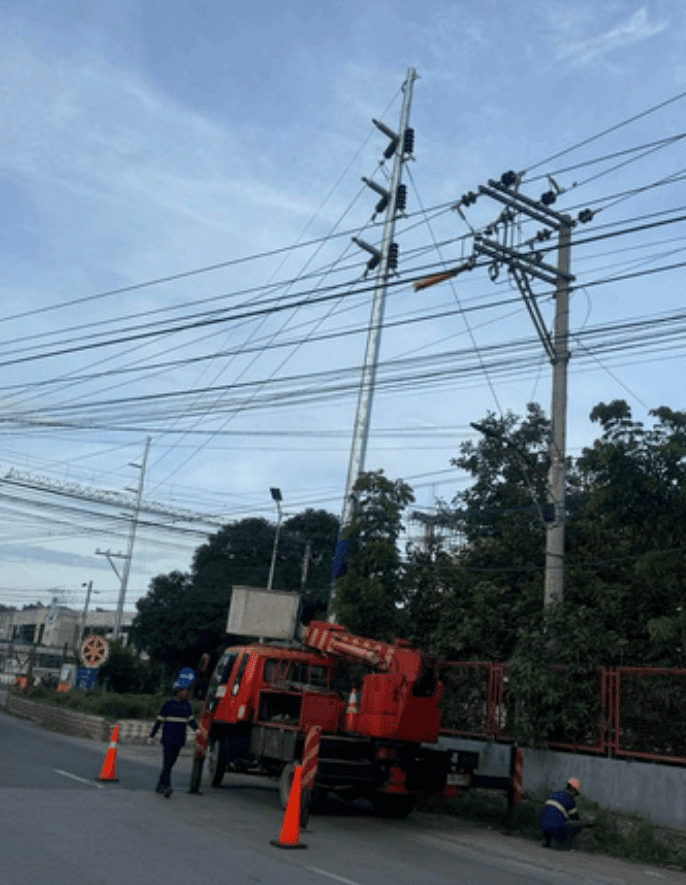
Once the design phase is complete, the focus shifts to construction and installation. This stage includes foundation works, tower erection, conductor stringing, underground cable installation, and equipment mounting. Heavy equipment such as backhoes, boom trucks, cranes, and cable tensioners enables teams to work efficiently even in challenging terrain. Proper installation is essential because the performance and durability of the entire system depend on the quality of workmanship during this phase. Hyojeong Power3 Construction Co…
After installation, the next critical step is testing and commissioning. Electrical systems must be carefully evaluated before they are energized. Specialized instruments—such as insulation resistance testers, transformer turns ratio testers, CT/PT analyzers, and infrared scanners—help verify system integrity. Commissioning ensures that protection systems, controls, and interlocking circuits function correctly, reducing the risk of unexpected failures once the system is operational.
In addition to new installations, many organizations require maintenance, repair, and modernization services. Over time, electrical equipment can degrade due to environmental conditions, aging components, or increased load demand. Services such as thermal scanning, SF6 gas analysis, transformer maintenance, and online oil regeneration help extend equipment life and maintain system reliability. Preventive maintenance is far more cost-effective than emergency repairs and helps minimize downtime.
The modern energy landscape also emphasizes sustainability and renewable integration. Solar power systems, both residential and utility-scale, are becoming increasingly popular. Turnkey PV solar solutions—including design, installation, testing, and commissioning—allow clients to adopt clean energy without the complexity of managing multiple contractors. These systems reduce electricity costs, lower carbon emissions, and support national renewable energy goals.
Another key advantage of a full-service provider is the ability to handle specialized projects, such as underground duct banks for high-voltage cabling, reconductoring of existing transmission lines, and upgrading substations to higher capacity. These projects require technical expertise, detailed planning, and strict quality control to ensure compatibility with existing infrastructure.
Equally important is project management and coordination. Electrical infrastructure projects often involve multiple stakeholders, including utility companies, government agencies, suppliers, and local communities. Effective communication, proper documentation, and compliance with regulatory requirements ensure smooth project execution. Permits, certifications, and industry licenses demonstrate a company’s commitment to professionalism and regulatory compliance. Hyojeong Power3 Construction Co…
Behind every successful project is a skilled and experienced team. Engineers, supervisors, technicians, and project managers work together to deliver results that meet technical standards and client expectations. Their combined expertise ensures that each project is completed safely, efficiently, and on schedule.
Ultimately, a complete approach to electrical infrastructure delivers long-term value. Clients benefit from consistent quality, reduced risks, and a single point of accountability throughout the project lifecycle. More importantly, communities benefit from reliable power systems that support economic growth and everyday life.
As the energy industry continues to evolve, the demand for integrated solutions will grow. Companies that offer design, construction, testing, and maintenance under one roof are not just building power systems—they are building the foundation for a more reliable, efficient, and sustainable energy future.